
Frequently asked questions.
-
Vedic meditation is known as a ‘transcending technique’, or as we commonly say ‘it’s a letting go’ practice. To transcend (or let go) means to move beyond where you are. For us, this means allowing the mind to move from the thinking mind into the being mind - away from stress and the movement of daily life and into greater states of awareness. Vedic meditation is something we only teaching person, and is done through a qualified teacher.
-
The word ‘Vedic’ comes from. the word ‘Veda’ in Sanskrit. Veda means ‘to know’, and what it is we’re knowing is the fullness of life. Vedic knowledge and practices are a product of over 5000+ years of tradition, and include Yoga, meditation, and Ayurveda. This tradition comes by way of India, where it is still alive and taught to this day. The Vedic sciences are here to help us connect to full health, consciousness and love to lead fuller, richer lives.
-
Absolutely. This course is designed to take you from a total beginner of Vedic meditation to confidently practicing the technique. There’s no assumed experience when you start, and if you have been practicing another meditation we will chat about the differences between Vedic meditation and what you’ve been doing. There’s also ongoing support after the course to help support the practice.
-
Not at all! What I love about this practice is that thinking is a part of meditation. We don’t try to force the mind to try to stop thinking - that never works! Instead we use the technique to allow the mind to settle down, but we do so effortless and without control. Don’t worry - thinking is no barrier to meditation.
-
Apps and online guided meditations are great, but they require you to be reliant on them in order to practice. I’m here to teach you how to be self-sufficient, and to not need me or anything else in order to meditate. Everyone who comes to learn after using apps/guided meditations always reports feeling much more depth, calm and enjoyment when they’re able to meditate by themselves!
Plus, the technique itself is different. We only teach Vedic meditation in person, which is a very different learning experience.
-
Traditionally, we only teach Vedic meditation in person, face to face. There is something incredible powerful about learning from another human being who is able to speak to, and walk you through a practice that moves with your life. The mind is full of nuance, complexities and contradictions. Having a teacher who has been trained to help support you through is invaluable, and will make the biggest difference to your consistency and enjoyment of practice. Espeically in the era of AI, human connection and understanding is what we’re really needing.
-
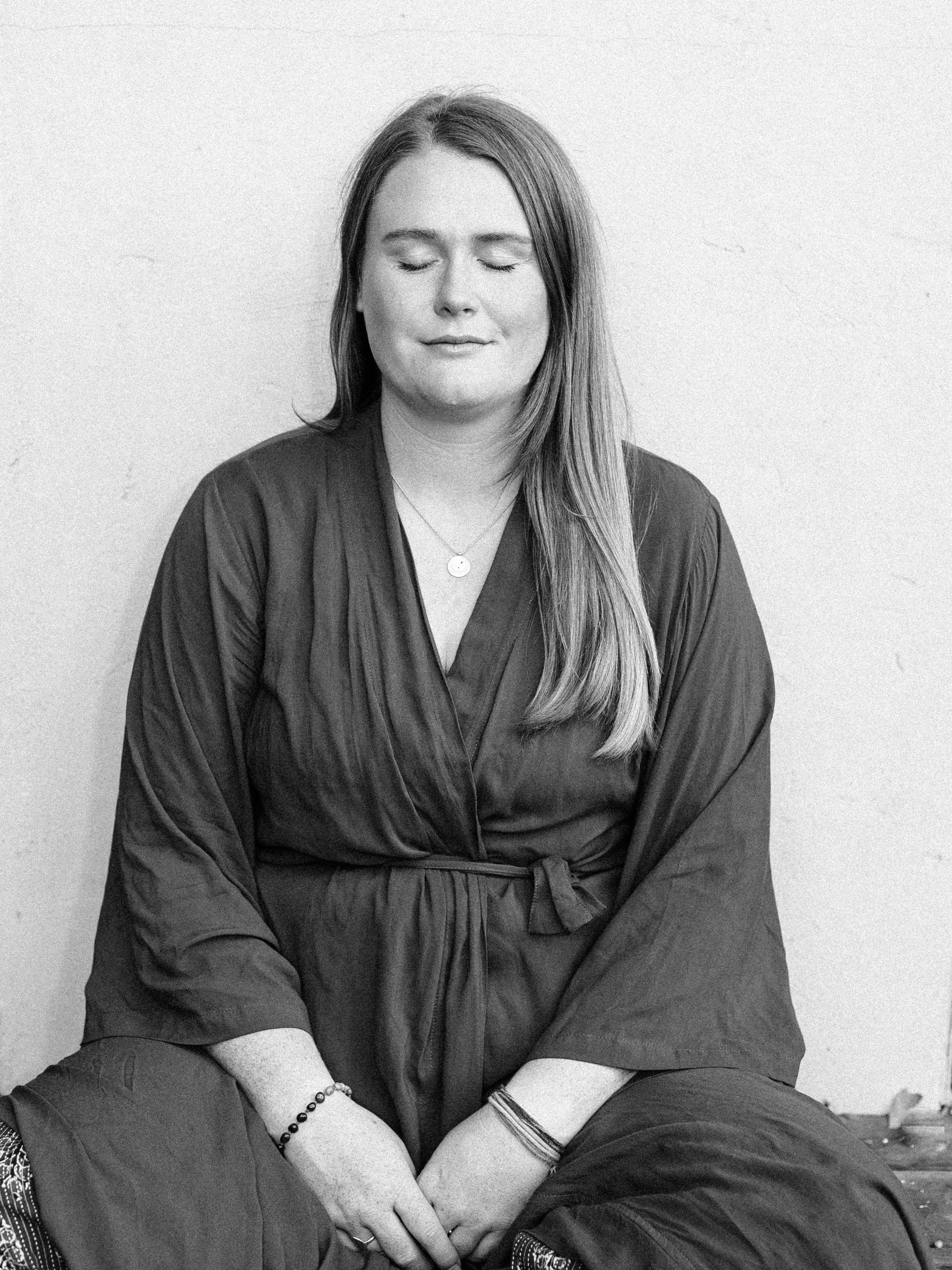
No! We don’t need to sit perfectly still when meditating, you can move if you need to. We do this practice sitting upright, with our eyes closed but there is no need to sit cross legged. You just sit however feels comfortable and natural to you, whether that’s on a lounge, chair, bed, in your car.
-
Everyone is different as every body is different, but in my experience most people start to notice some shifts and changes within the first day or so of practice. Some people notice big changes right away, others it’s more gradual. The more stressed we are, the more contrast we notice!
-
That’s fair - life is busy. Prioritising meditation isn’t just about ‘self care’, it goes beyond that. Meditation uplifts every element of our day, including how we value and see our time! In my experience, often our busyness comes from over-doing, and meditation helps us move out of that busyness in order to see where our time is actually being spent. Ironically, prioritising 20 mins x 2 a day often gives us time! The global average of time spent on social media a day is 2hrs. When you compare this with Vedic meditation, we’re only spending 3% of our day doing something that totally changes the other 97% for the better.